
May 28th - Visit to Abbotsbury Sub-Tropical Garden and Swannery

Abbotsbury Swannery
Our first stop was at The Swannery where we spent an hour and a half. Established by Benedictine Monks who built a monastery at Abbotsbury during the 1040s. The monks farmed the swans to produce food for their lavish Dorset banquets. St Peter’s monastery was destroyed in 1539, during the dissolution.
The Swannery is now home to the only remaining managed colony of Mute Swans in the world. The herd of swans is still presided over by a Swanherd but unlike in monastic times (when only the cygnets were eaten) a small dedicated team now work alongside them.

Some years, over 150 pairs of Mute Swans nest on this site. This colonial style of nesting is very uncommon in Mute Swans, but it has occurred here on a regular basis for over 600 years.
The vast eelgrass beds in the shallow brackish waters of the Fleet attract a very large number of swans (up to 1,400 in winter), but the only suitable nesting site in the vicinity of the lagoon is at the site on the river estuary. The site’s attributes include fresh water (essential for cygnets) and reeds, which provide useful nesting material.
Abbotsbury Sub-tropical Garden
The history of Abbotsbury is tied closely with the creation of the monastery that once dominated the village and the Fox-Strangways family. In 1541, the abbey lands were leased to Sir Giles Strangways, who converted part of the old monastery into a mansion.
After the great storm of 1990, a major restoration project has been underway. Many new exotic and unusual flowers have been introduced to this fabulous Dorset Garden. The Gardens are currently curated in a way to provide the visitors with an immersive subtropical garden experience.
Many of us headed to the stunning cafe, built in colonial style and surrounded by lush planting, for a quick bite of lunch before heading off on our perambulations round the 20 acres of grounds.

The Garden is a mixture of formal and informal flowers, world famous for its Camellia groves and Magnolias. Also noted in Dorset for its Rhododendron and Hydrangea collections and the charming Victorian Garden
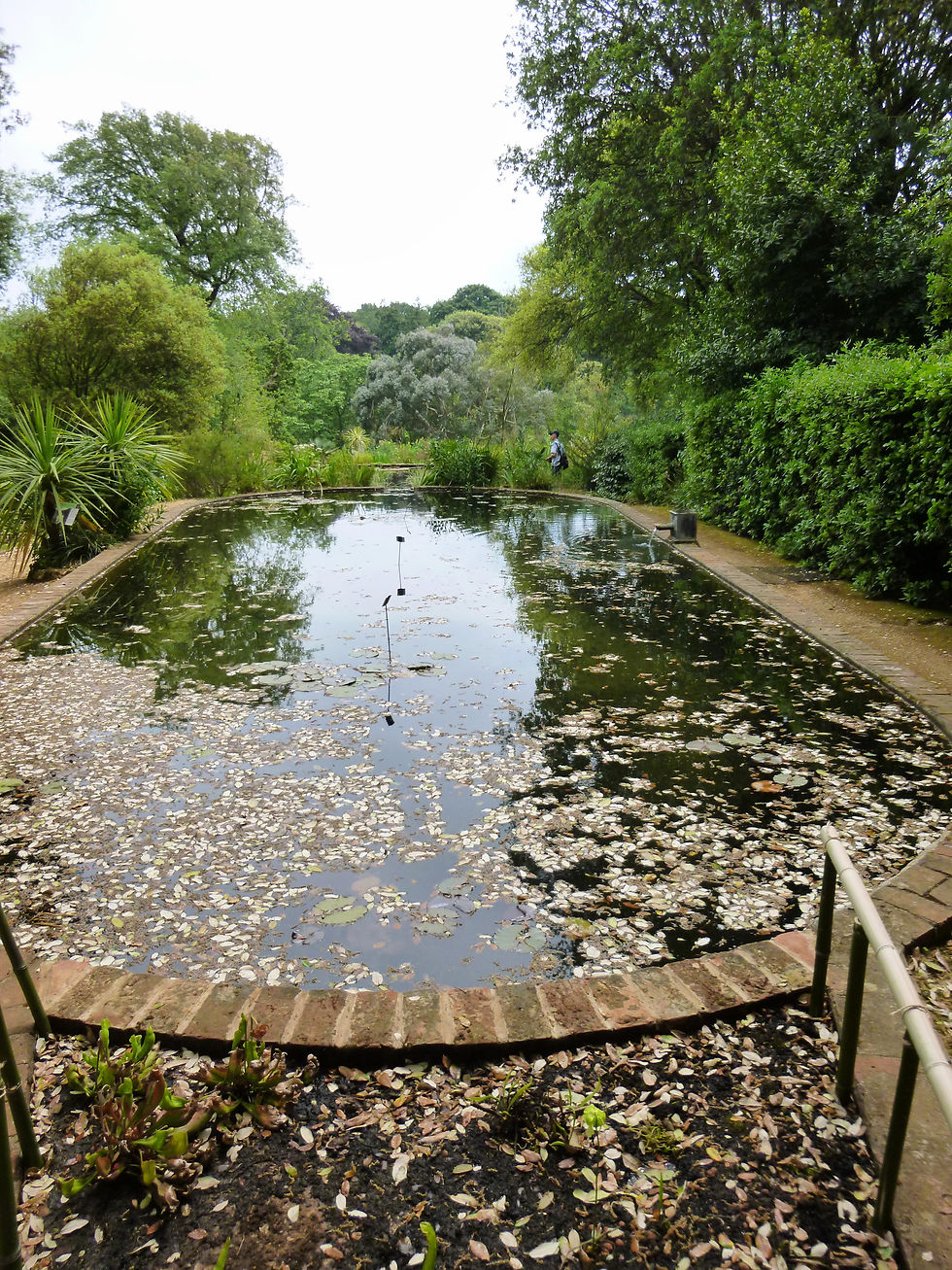
Due to the plant hunting family dynasty, the Gardens today house, display and conserve plants from around the globe. An influential garden and a great collection of Mediterranean plants in the UK. There are many highlights at the Gardens, including the memorable red bridges, rope bridge, lily ponds, all set amongst a subtropical paradise, which transports you to a distant land.


The rope bridge, one of the longest in the UK with a 36-metre span across the largest pond at Abbotsbury Subtropical Gardens. Opened by renowned plantsman Roy Lancaster to mark the Gardens’ 250th anniversary, the bridge celebrates Abbotsbury’s spirit of discovery and invites visitors to see the Gardens from a bold new perspective. Inspired by the original Burma rope bridges, first developed during World War II in Myanmar to help troops cross remote valleys and rivers using simple, portable materials, the new bridge traverses a vibrant aquatic habitat, home to rare and exotic plants alongside native wildlife. The surrounding environment is lush and atmospheric – warm, humid and alive.


The Plant Centre gives you an opportunity to take home a little piece of Abbotsbury, with a variety of plants that have been tried and tested over decades by the Gardens. Many of the plants are home grown behind the scenes in the Gardens nursery. They cultivate unusual and specialist plants that provide a quality addition to your home gardens. Needless to say, members made many purchases! From hardy ferns, to succulents, seasonal plants and even houseplants, the Gardens team takes pride in nurturing and selecting a range that is different from many plant and garden centres.
All-in-all a wonderful day out and our thanks to Sheila for organising another successful trip.


Comments